

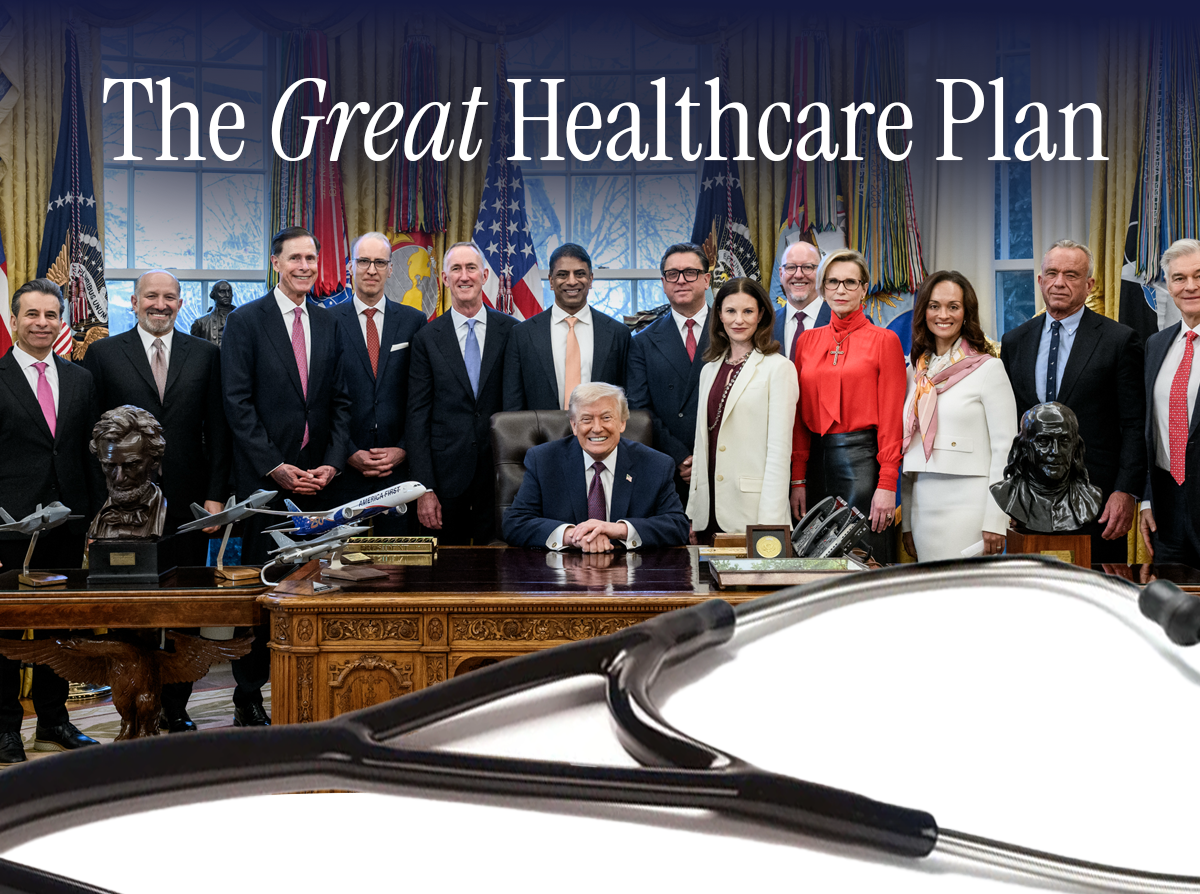
President Trump Unveils The Great Healthcare Plan to Lower Costs and Deliver Money Directly to the People
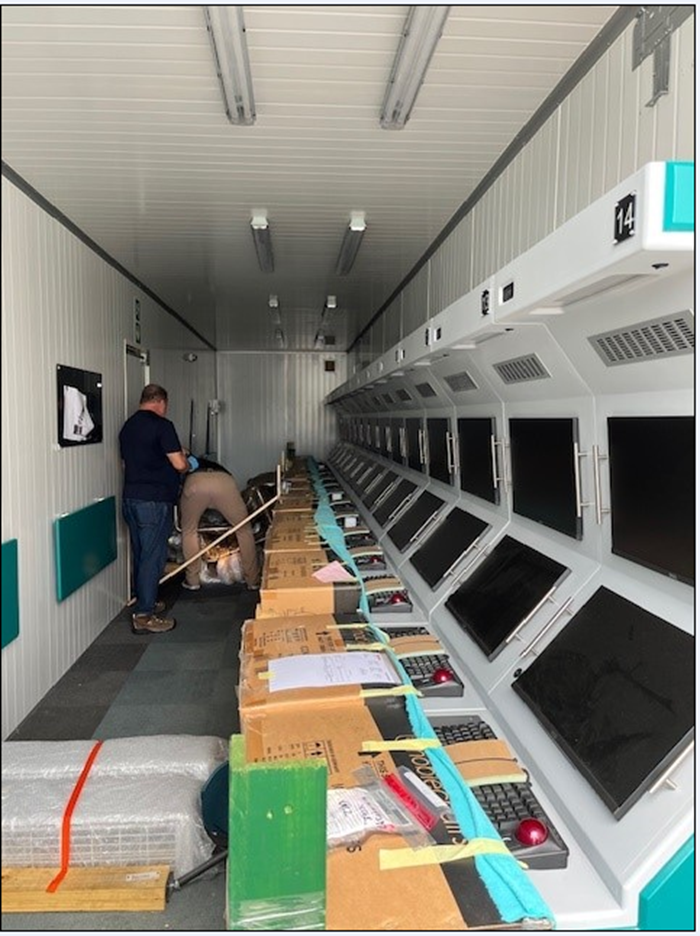
United States Files Forfeiture Action Against Two Anti-Submarine Warfare Crew Trainers En Route from South Africa to the Chinese Military

Justice Department Announces Charges Against Illegal Alien, Known Tren de Aragua Associate, for Violent Attack on Border Patrol Agents in Portland, Oregon

DHS Launches Landmark USCIS Fraud Investigation in Minnesota
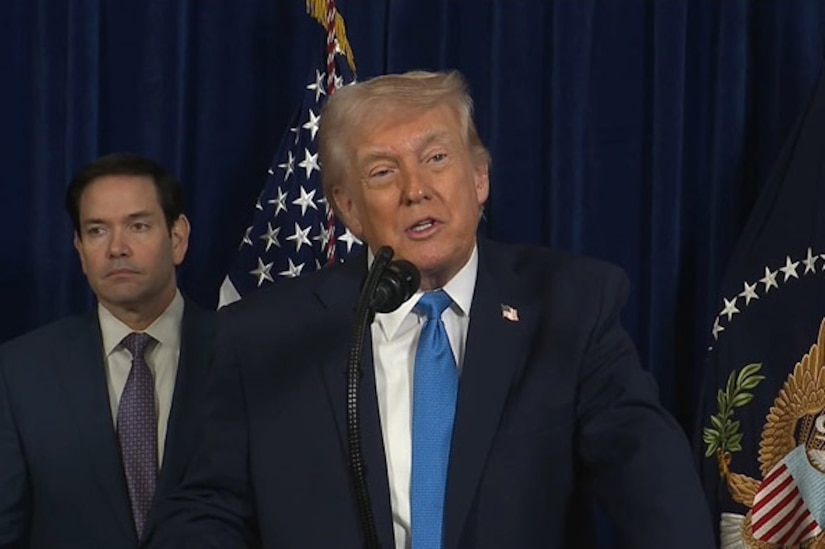
Trump Announces U.S. Military's Capture of Maduro
Science and Technology
Mar 11, 2019
by Erin Cassidy Hendrick UNIVERSITY PARK, Pa. — Rechargeable lithium metal batteries with increased energy density, performance, and safety may be possible with a newly-developed, solid-electrolyte interphase (SEI), according to Penn State researchers. As the demand for higher-energy-density lithium metal…
Feb 18, 2019
BOULDER, Colo.—Researchers at the National Institute of Standards and Technology (NIST) have demonstrated a potential new tactic for rapidly determining whether an antibiotic combats a given infection, thus hastening effective medical treatment and limiting the development of drug-resistant bacteria. Their…
Feb 18, 2019
The hunt for Earth-like planets, and perhaps extraterrestrial life, just got more precise, thanks to record-setting starlight measurements made possible by a National Institute of Standards and Technology (NIST) “astrocomb.†NIST’s custom-made frequency comb—which precisely measures frequencies, or colors, of…
Feb 18, 2019
UNIVERSITY PARK, Pa. — A new endoscopy tool, created in the Penn State Department of Mechanical Engineering, could one day provide a more effective, minimally invasive treatment for pancreatic tumors. On average, only about 20 percent of pancreatic cancer patients…
Jan 2, 2019
by Carolyn Trietsch UNIVERSITY PARK, Pa. — A natural antioxidant found in grain bran could preserve food longer and replace synthetic antioxidants currently used by the food industry, according to researchers at Penn State. "Currently, there's a big push within…
Dec 19, 2018
UNIVERSITY PARK, Pa. — Micropores in fabricated tissues such as bone and cartilage allow nutrient and oxygen diffusion into the core, and this novel approach may eventually allow lab-grown tissue to contain blood vessels, according to a team of Penn…
Dec 18, 2018
by Chuck Gill UNIVERSITY PARK, Pa. — Researchers studying ancient corncobs found at a Native American archeological site have recovered a 1,000-year-old virus, the oldest plant virus ever reported. Only a few RNA viruses had been discovered previously from archaeological…
Dec 16, 2018
by Andrea Borodevyc UNIVERSITY PARK, Pa. — A biodegradable, edible film made with plant starch and antimicrobial compounds may control the growth of foodborne pathogens on seafood, according to a group of international researchers. "We have the ability to develop…
Oct 24, 2018
An innovative filtering material may soon reduce the environmental cost of manufacturing plastic. Created by a team including scientists at the National Institute of Standards and Technology (NIST), the advance can extract the key ingredient in the most common form…
Aug 14, 2018
by Katie Bohn UNIVERSITY PARK, Pa. — The mechanics behind how an important process within the cell traps material before recycling it has puzzled scientists for years. But Penn State researchers have gained new insight into how this process seals…
Jun 19, 2018
New NIST Research Could Bring Down the Cost of Making Nickels Nickels are ubiquitous in American life, tumbling around in pockets, rolling under car seats, and emerging from the back of dryers to be used over and over for countless…
Jun 13, 2018
UNIVERSITY PARK, Pa. -- A team led by Penn State's Applied Research Laboratory, in collaboration with the Center for Innovative Processing thru Direct Digital Deposition (CIMP-3D), has received a $1.4 million grant by the Air Force Research Laboratory (AFRL) to…